
European Roulette Live Game Multiplier Explained for UK
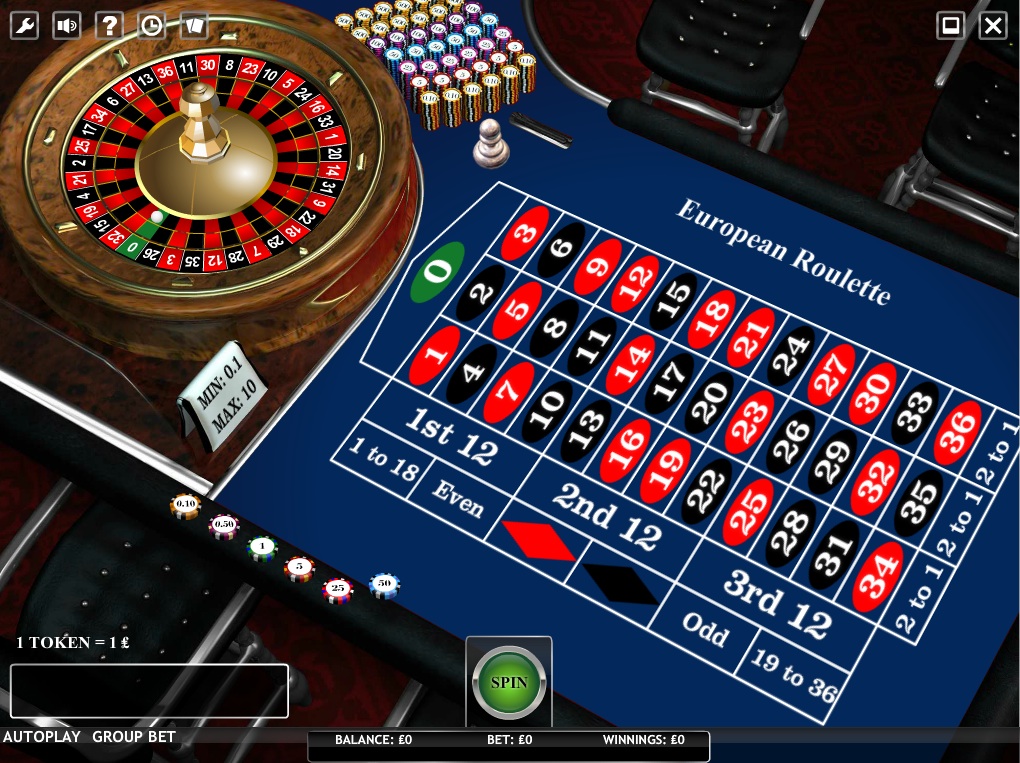
European roulette has traditionally been the chosen variant for UK players who prefer the single-zero wheel and its lower house edge. A live multiplier feature modifies that familiar format. It brings unpredictability and boosted payouts that a standard table can’t offer. Instead of a flat 35:1 reward for a straight-up hit, certain rounds randomly attach multipliers that raise returns to 50x, 100x, or even 500x the stake. This article examines how the multiplier mechanic operates inside a live dealer environment, what UK players should anticipate at the table, and how the wider platform enhances the experience through payment options, device compatibility, and regulatory safeguards. Every detail is grounded in how the European Roulette Live Game brand delivers the feature to its audience.
7. Mobile & Desktop Experience: Playing Multiplier Roulette on Any Device
The European Roulette Live interface is designed to fit screens of all sizes without sacrificing the sharpness of the multiplier overlay. On a desktop or laptop, the stream occupies the upper portion of the window while the betting grid, chip selector, and game history sit below. The multiplier animation appears as a semi-transparent highlight over the lucky numbers, and the boosted values are displayed in a large, legible font. The layout can be toggled between a compact view that maximises the video feed and an expanded view that increases the betting area for precise chip placement.
On mobile devices, the same functionality is preserved through a responsive web design that does not demand a dedicated app download. The stream adjusts to fit the screen width, and the betting grid becomes a swipeable panel that can be switched to full-screen mode. Touch controls allow players to drag chips onto the felt with a finger, and haptic feedback confirms bet placement on supported devices. The multiplier reveal animation is optimised for mobile data connections, loading quickly even on 4G networks. Players who choose a native app experience can check whether the operator offers one via the Apple App Store or Google Play, though the browser version delivers a nearly identical feature set.
7.1 Browser-Based Play vs Dedicated Apps
A native app can offer push notifications for multiplier round notifications and a somewhat speedier load. The browser-based version removes the requirement for storage space and manual updates. Both access points tap into the same live streams and game servers, so the multiplier draw timing and payout accuracy are consistent. UK players who use iOS devices gain from Safari’s optimisation for WebRTC-based live streams, while Android users can leverage Chrome’s hardware acceleration. The choice between app and browser comes down to personal preference, and the platform supports both without feature disparity.
7.1.1 Improving Stream Quality on Slower Connections
The video player includes an adaptive bitrate setting that automatically reduces resolution when bandwidth drops. Players can manually select a lower quality tier from the settings menu to conserve data or maintain a stable stream on congested networks. The multiplier overlay is rendered client-side, so it remains sharp even when the video resolution is reduced. A stable internet connection of at least 2 Mbps is recommended for uninterrupted play, and the platform’s help centre provides troubleshooting steps for common streaming issues such as audio desynchronisation or buffering during the multiplier reveal.
5. Payment Methods and Payout Speeds for UK Players
The European Roulette Live Game platform provides a variety of payment channels common for the UK market, with an focus on efficiency and conformity with the Gambling Commission’s rules. Debit card payments issued by Visa and Mastercard stay the most popular funding method, processed instantly and with no charges from the operator’s side. Online wallets such as PayPal, Skrill, and Neteller are typically available and deliver the fastest withdrawal turnaround, often completing within a few hours once the verification is complete. Bank transfers and Trustly instant banking offer an choice for players who choose not to employ online wallets.
Withdrawal processing times differ by payment method and by the stage of the verification process. A first withdrawal typically initiates a identity verification, during which the customer must send proof of identity, residence confirmation, and occasionally proof of payment method ownership. After documents are verified, future payouts move more quickly. E-wallet withdrawals can arrive in the player’s account within 24 hours, while card payouts may require between a few working days. Direct bank payments can extend to three to five working days. The platform shows expected timelines in the cashier page, and players from the UK should get verified ahead of time to skip waiting times when they wish to access winnings from multipliers.
5.1 Deposit Restrictions and Responsible Payment Management
The cashier includes mandatory deposit limit tools that comply with UKGC licence conditions. New players must set a daily, weekly, or monthly deposit cap prior to their first transaction. These limits may be tightened immediately, while any request to raise them activates a 24-hour cooling-off period. The platform also provides reality checks that present session duration and net spend, helping players keep tabs on their outlay on multiplier rounds. Payment methods that allow reverse withdrawals are blocked by default, meaning once a withdrawal request is submitted, the funds cannot be reversed and returned to the gaming balance. That safeguard stops impulsive re-gambling of cashed-out winnings.
5.2 Currency Support and Currency Conversion Charges
UK players are able to deposit and play in pounds sterling, bypassing currency conversion charges that would otherwise reduce their bankroll. The platform’s banking system manages all transactions in GBP, and the game interface shows bets and wins in the same currency. If a player utilizes a card or e-wallet denominated in a different currency, the payment provider might apply its own exchange rate, but the casino itself does not impose a conversion fee. This practical detail keeps the cost of playing multiplier roulette transparent and predictable.
8. Controlled Gambling Features and Establishing Limits for Boost Play
The elevated volatility of boost roulette makes controlled gambling tools particularly important. The platform offers a range of controls that UK players can reach from their account dashboard. Deposit limits, as stated, are required at registration. Players can also set loss limits that cap the amount they can lose in a specific period, and session time limits that promptly log them out after a fixed duration. A reality check pop-up can be adjusted to appear at intervals as brief as 15 minutes, showing the time spent in the current session and the net result so far.
Self-exclusion options vary from a 24-hour cooling-off period to a full account closure via the GamStop scheme, which the operator is required to participate in as a UKGC licensee. The platform’s responsible gambling page directs to independent support organisations such as GamCare and BeGambleAware. For multiplier roulette in particular, players can utilise the game’s statistics panel to check the number of rounds played and the total amount wagered on straight-up bets, giving them a clear picture of their exposure to the high-variance mechanic. Establishing a firm session budget before chasing multiplied numbers is a realistic step that the interface facilitates through the deposit and loss limit tools.
The operator’s dedication to player protection extends to the design of the game itself. The multiplier feature does not utilise near-miss animations or misleading visual cues that imply a number was close to being selected for a boost. The draw is shown as a binary event: a number either has a multiplier or it does not. This transparency helps players make educated decisions and minimises the risk of chasing losses under the belief of a pattern. Combined with the compulsory affordability checks that UK operators must perform for higher-spending customers, the structure around the multiplier game is built to keep the entertainment within manageable boundaries. Useful tools comprise:
- Deposit limits established at registration and adjustable only with a cooling-off period.
- Loss limits and session time limits configurable from the account dashboard.
- Reality check pop-ups displaying session duration and net spend at preferred intervals.
- GamStop self-exclusion inclusion and links to GamCare and BeGambleAware.
1. What the European Roulette Live Game Multiplier Actually Is
The multiplier feature is a broadcast live dealer upgrade that adds random prize boosts to selected straight-up numbers in each round. Standard live roulette offers fixed odds. This version utilizes a certified random number generator to determine a multiplier value to between one and five numbers before the betting window closes. The dealer still spins a physical wheel, but the boost layer is completely digital and shows as an overlay on screen. If the ball lands on a number that featured a multiplier and you have a straight-up bet on it, the return is multiplied accordingly. All other bets, including splits, corners, dozens, and even-money wagers, pay at the usual odds.
This mechanic leaves unchanged the underlying wheel physics or the dealer’s role. The croupier executes the same spin procedure used in any European roulette stream. The difference lies in the pre-spin phase, where a short animation highlights the lucky numbers and their assigned boost values. UK players familiar with Lightning Roulette will identify the concept, but the European Roulette Live Game implementation often differs in multiplier ranges, frequency, and the cap on maximum wins. The feature transforms a game of pure chance into one where the potential upside on a single chip can be far higher, while the base return-to-player percentage on straight-up bets shifts slightly to cover the bonus payouts.
The maths behind the feature reallocates a portion of the standard straight-up payout pool. Instead of every straight-up win paying 35:1, a fraction of the theoretical return is reserved for the boosted outcomes. This means a straight-up win still pays 35:1 on non-multiplier rounds, but the overall hit frequency and average payout on straight-up bets shift. The operator discloses the theoretical RTP for the multiplier version separately, and UK-facing platforms typically present that figure in the game’s help menu. Players who prefer a predictable 97.3% return on all bets should stick to standard tables. Those willing to trade a sliver of consistency for the chance of a multiplied windfall will discover the trade-off clearly documented.
6. Licensing, Fairness standards, and Security: Key Points for UK Players to Confirm

Any live casino product aimed at the UK market is required to hold a licence from the Gambling Commission, and the European Roulette Live Game brand works under such a licence. The licence number must be displayed in the website footer, and players can confirm it against the Commission’s public register. This regulatory oversight requires regular testing of the live dealer equipment, the multiplier RNG, and the platform’s financial systems. It also obliges the operator to segregate player funds from operating capital, offering a layer of protection if the company becomes insolvent. UK players ought to always confirm the licence details before depositing, as unlicensed clones of popular multiplier roulette games are known to circulate.
Aside from licensing, independent testing certificates from laboratories like eCOGRA, GLI, or iTech Labs provide a second layer of assurance. These certificates confirm that the game’s theoretical RTP matches the published figure and that the multiplier draw is genuinely random. The live stream itself is monitored for irregularities, and the studio environment follows physical security protocols. The platform uses TLS encryption to protect data in transit, and its privacy policy needs to outline how personal and financial information is stored. Two-factor authentication for account logins is often available and suggested for players who keep a balance on the site.
Fairness in the multiplier feature depends entirely on the reliability of the RNG that chooses lucky numbers and sets boost values. The game rules document the exact probability of each multiplier tier, and the operator may not alter these probabilities on the fly without revising the certified game version. Players who desire to verify the randomness of past draws can generally request game logs from customer support, though the platform may supply only aggregated data rather than raw RNG output. The combination of UKGC licensing and independent testing signifies the multiplier mechanic is not a gimmick created to mislead. It is a mathematically defined feature with a revealed house edge. Key verification points are as follows:
- Check the Gambling Commission licence number in the footer and compare it against the public register.
- Search for eCOGRA, GLI, or iTech Labs certification badges within the game’s information panel.
- Review the published RTP and multiplier probability table in the help file before playing.
- Ensure the platform uses TLS encryption and supports two-factor authentication for account security.
4. A Step-by-Step Guide to Setting Your Initial Multiplier Bet
Accessing a multiplier-enhanced live roulette table uses the same entry path as any live dealer game, but a few extra on-screen elements need consideration. After launching the European Roulette Live Game interface, the player chooses a table with the multiplier badge and gets a virtual seat. The stream presents a high-definition view of the dealer and wheel, while the betting grid fills the lower portion of the screen. A timer counts down the betting window, and during this period the player places chips onto one or more straight-up positions. The current round’s multiplier draw has not yet happened, so the player is placing bets unaware on which numbers will receive a boost.
Once the betting window closes, the game performs the multiplier draw and overlays the lucky numbers with their assigned values. The player can view instantly whether any of their straight-up selections have been increased. The dealer then rotates the wheel, and the ball drop decides the outcome. If the ball stops on a number that the player selected and that number carried a multiplier, the win amount is calculated as stake multiplied by the displayed boost value. The platform’s bet history and game log log every round detail, including the multiplier draw, so players can examine past results to validate payouts.
3. In what areas the Multiplier Feature Shows Up: Straight-Up Bets and Bonus Rounds
The multiplier enhancement is strictly linked to straight-up wagers, meaning chips placed straight on a individual number on the betting grid. Any other bet type, including split, street, corner, line, dozen, column, red/black, odd/even, and high/low, settles at the classic European roulette odds and disregards any multiplier that was assigned to the numbers within its coverage. This design maintains the game identifiable for roulette purists while focusing the excitement on the high-risk, high-reward portion of the layout. Players who distribute chips across several straight-up numbers raise their chance of landing a multiplier, but they also raise the total stake per round.
Some live multiplier roulette products feature a bonus round mechanic where the count of boosted positions increases or the multiplier pool changes upward for a limited sequence of spins. This can be activated randomly or after a fixed number of standard rounds. During such a round, the interface may display a changed colour scheme or a countdown timer, and the dealer could announce the event. The European Roulette Live Game platform follows a comparable pattern, using random bonus rounds to add additional volatility. The precise trigger conditions and the enhanced multiplier set are described in the game rules, and players should examine them to comprehend when the table enters a heightened state.
Betting on the zero is considered exactly the same as any other straight-up number. If the single zero is assigned a multiplier and the ball lands in its pocket, the player’s straight-up bet on zero pays out the boosted amount. This means the house edge on the zero bet under the multiplier rules can differ from the standard 2.7% when measured over sessions that contain multiplier hits. The zero is statistically no more or less likely to be selected by the RNG than any other number, so the overall expectation remains balanced. Players who regularly cover the zero as insurance should consider the possibility of a multiplied zero win when calculating session bankroll requirements.
2. The method Multipliers Are Selected and What They Pay
Before the dealer declares “no more bets,” the game engine executes a random draw that picks a small set of numbers, commonly between one and five, from the 37 pockets of the European wheel. Each selected number is assigned a multiplier pulled from a predefined pool. Typical pools contain values such as 50x, 75x, 100x, 150x, 200x, 300x, 400x, and 500x, however the exact range can differ by studio configuration. The draw is unrelated to the physical wheel outcome, so the same random process happens every round irrespective of previous results. The animation that shows the lucky numbers acts as both a visual flourish and a clear display of the multiplier assignment.
The underlying technology depends on a certified pseudo-random number generator that is examined by independent laboratories. UK-facing live casino products must satisfy the technical standards set by the Gambling Commission, which encompass regular audits of the RNG and the integration between the digital multiplier layer and the physical wheel. The system ensures that the probability of any given number being selected for a multiplier is uniform, and the distribution of multiplier values follows the weighted table shown in the game rules. Players can usually access a detailed paytable that shows the exact probability of each multiplier tier appearing, so they can determine the long-term expected value of a straight-up bet under the multiplier ruleset.
This multiplier is limited to the straight-up segment of a wager. If a player puts a chip on a number that is later hit by a 100x multiplier and the ball lands in that pocket, the straight-up bet pays 100:1 instead of 35:1. A split, street, or corner bet that contains that number pays at the standard odds without enhancement. This rule stops the feature from distorting the payout structure of outside bets and keeps the game’s core mathematics intact for players who prefer combination wagers. The visual interface renders the distinction clear by highlighting only the straight-up betting grid positions that hold a boost.
2.1 The Purpose of the Random Number Generator in the Draw
The RNG works in a sealed environment that is separate from the video streaming hardware. When the dealer opens the betting round, the game server calls for a multiplier draw from the RNG module. The result is encrypted and sent to the graphics engine, which superimposes the lucky numbers on the stream with a sub-second delay. This architecture prevents any possibility of the dealer or players influencing the multiplier assignment. Testing agencies such as eCOGRA or iTech Labs regularly check that the RNG produces outcomes consistent with the published probabilities, and certification badges are usually visible in the game’s footer or information panel.
2.2 Multiplier Frequency and the Effect on Session Volatility
How often with which multipliers occur, and the average boost size, directly shapes the volatility of a session. A configuration that gives a multiplier to five numbers every round with a heavy weighting toward 50x and 75x values will generate more common small boosts, smoothing the bankroll curve. A setup that selects only one number per round and adds 500x in the pool will deliver fewer but more dramatic spikes. UK players who check the game’s help file can typically find a volatility index or a comprehensive breakdown of hit rates for each multiplier tier. That data aids in choosing a bet-sizing strategy that corresponds with personal risk tolerance.
2.3 Multiplier Tiers and Reward Ceiling
The multiplier tier structure defines the ceiling of what a single straight-up chip can return. In many live European roulette multiplier games, the minimum boost sits at 50x, which already offers a 43% uplift over the usual 35:1 payout. From there, the ladder rises through 75x, 100x, 150x, 200x, 300x, 400x, and from time to time 500x. Some studios launch a rare 1000x tier, but such extreme values are normally set aside for special promotional rounds or jackpot-linked variants. The European Roulette Live Game brand plainly lists the available multiplier range on the table interface, so players are aware of the maximum possible reward before they put a chip.
The winning potential must be considered against the likelihood of getting a multiplied number. A 500x multiplier might appear on just one number in several hundred rounds, whereas a 50x boost could land on multiple numbers per few spins. The game’s theoretical return accounts for this distribution, which means the expected value of a straight-up bet falls within a narrow band around the standard 97.3% RTP, often dropping slightly to fund the boosted prizes. For a UK player staking £1 on a straight-up number, a 100x hit gives £100, a 500x hit returns £500, and a non-multiplied hit returns the usual £35. The table limit for straight-up bets is usually lower than the maximum outside bet limit to restrict the operator’s liability on the highest multipliers.
Wins from multiplied straight-up bets are added instantly to the player’s balance, the same as any other settled wager. The cash-out process observes the same withdrawal rules as the rest of the platform, with no extra wagering requirements attached to multiplier wins unless bonus funds are being used. The boosted payout itself is not considered a bonus. It is a game mechanic, so winnings derived from it are withdrawable subject to standard identity verification and minimum withdrawal thresholds.
9. How the Multiplier Feature Compares to Standard Live European Roulette
Placing the multiplier version side by side a classic single-zero live table shows a clear trade-off. Standard European roulette delivers a constant 97.3% RTP on all bets and a predictable 35:1 payout on any straight-up win. The multiplier variant decreases the base RTP on straight-up bets by a fraction, often to around 97.1% or 97.0%, while adding the possibility of payouts that far exceed 35:1. For a player who bets exclusively on straight-up numbers, the long-term expected loss per £100 wagered goes up by a few pence, but the session experience becomes much more volatile.
The difference is most noticeable in short sessions. A player who sits down for 50 spins at a standard table will rarely see a bankroll swing beyond what the binomial distribution of straight-up hits predicts. The same 50 spins at a multiplier table could include a 200x hit that turns a modest profit into a significant win, or it could pass without any multiplied numbers landing, resulting in a faster drain due to the slightly reduced base RTP. This variance profile attracts players who view roulette as an entertainment product with jackpot-style upside, while it may frustrate those who treat the game as a steady, low-edge grind.
From a strategic standpoint, no betting system can change the house edge of the multiplier mechanic. The RNG draw is unrelated of previous outcomes, and the wheel remains fair. Players who expand their straight-up coverage to catch more multipliers will face a higher total wager per round, which accelerates the expected loss in absolute terms even if it boosts the chance of hitting a boosted number. The best approach for those who appreciate the feature is to treat it as a premium entertainment option with a clear cost: a tiny reduction in theoretical return in exchange for the thrill of multiplied payouts. Understanding that trade-off is the key to engaging with the game on its own terms.
The multiplier feature in European Roulette Live introduces a randomised upside layer to the familiar wheel, changing the session dynamic from steady to spike-driven. UK players seeking transparency will find the RTP, multiplier probabilities, and payout caps clearly laid out, and the platform’s payment systems and regulatory compliance offer the essential framework for secure real-money play. The feature does not promise easier wins. It reworks the payout structure for straight-up bets, with mathematical disclosure and independent auditing. Before risking a bankroll, a player should open the game’s help file, check the exact multiplier pool and its weighting, and set a session limit that accounts for the higher variance. This small preparation transforms the multiplier table from a mystery into a calculated decision, where the potential for a 500x return exists within a ruleset that can be understood, verified, and enjoyed responsibly.
For a first session
Starting with the lowest available chip denomination and selecting two or three straight-up numbers per round is a practical approach. This keeps the per-spin cost low while providing multiple chances to hit a multiplied number. The interface typically lets you storing preferred bet patterns, so a player can establish a default straight-up configuration and trigger it with a single tap. Smart bankroll management is essential because the multiplier feature can generate long sequences without a hit, and the boosted payouts, while appealing, occur rarely enough that a session budget must absorb the dry spells. The following steps outline a https://bleacherreport.com/articles/2500467-herschel-walker-reveals-he-has-played-russian-roulette-multiple-times typical first session:
- Pick a multiplier-branded table and check the displayed RTP and multiplier range in the help menu.
- Establish a session loss limit and deposit amount using the cashier’s responsible gambling tools.
- Drag chips onto two or three straight-up numbers, holding the total stake per round within a reasonable fraction of the session budget.
- View the multiplier draw animation after betting closes and identify which of your numbers received a boost.
- Follow the wheel spin and collect any multiplied wins; review the game log after the session to confirm payouts.